This is a rudimentary translation of articles from my book “Goddess Culture in Israel“. While it is far from ideal, it serves a purpose given the significance of the topic and the distinctiveness of the information contained. I have chosen to publish it in its current state, with the hope that a more refined translation will be available in the future.
Mother Earth nurtures her children
The sudden emergence of the agricultural revolution around 11,000 years ago marks a significant juncture in human evolution, appearing seemingly out of nowhere. From a spiritual perspective, one could envision Mother Earth orchestrating this transformation akin to a child transitioning into adolescence. Bestowing upon humanity the gifts of vegetation, she allowed them to domesticate her living creatures—the Plants and animals—and imparted the knowledge to construct shelters using elements of her own body. At the forefront of this transition were her sisters—the women—who championed this profound shift in human civilization.
In historical studies, this transformative period is often termed the “agricultural revolution,” yet it is more accurately characterized as a progression and advancement of human culture toward greater complexity and, I would venture to say, awareness. The transition from hunting and gathering to agriculture, known as the shift from the Paleolithic to the Neolithic (with “lithos” denoting stone tools predominance), is also referred to as the Neolithic revolution. However, I prefer to call it “the time of the Goddess culture,” as it signifies not only a shift in economic practices but also a religious Change and the dawn of an era characterized by matriarchal societies and the veneration of the Goddess.
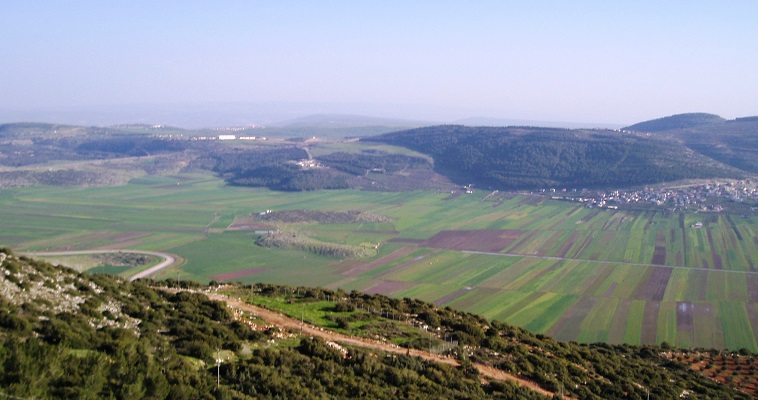
The beginning of Agriculture
Agriculture served to connect humanity with the rhythms of nature and fostered the development of notions such as sacred time and place. Agricultural labor was viewed as a mythic religious endeavor, stemming from humanity’s ability to enhance and propagate life with the assistance of the Goddess. Tasks such as plowing the earth, sowing seeds, harvesting crops, and gathering yields were considered magical acts. Each activity involved working upon the body of Mother Earth and necessitated her blessing, as well as representing an interaction with the realm of the dead, who reside beneath and within the earth.
Agriculture serves as a profound revelation of the mysteries surrounding germination, regeneration, and the growth of vegetation, ultimately yielding crops and fruits. As Eliade asserts: “The fertility of the soil was intricately linked to the fertility of women. Consequently, women assumed responsibility for grain cultivation, as they held the ‘riddle’ of creation. This enigma is inherently religious, as it governs the fount of life, the provision of sustenance, and death.”
According to Eliade, “Agriculture was a female invention. While men were preoccupied with hunting or tending to herds, women, with their keen observational skills, were largely present to witness natural phenomena like germination and decay. They endeavored to replicate these processes artificially. Connected to other cosmic fertility centers such as the earth and the moon, women possessed the ability to influence and distribute fertility. They played a pivotal role in the early stages of agriculture, especially when this practice was predominantly led by women, utilizing tools like hoes and hand implements. This role persists in certain civilizations to this day.”
In essence, Mother Earth forged a partnership with her female counterparts, imparting agricultural concepts, ideas, and wisdom through them. During the early stages of the so-called “agricultural revolution,” farming was characterized by small-scale practices, with crops cultivated not in vast fields but in diverse plots tended by women. Each woman managed her own plot, engaging in tasks like harvesting, grinding wheat, and cooking the produce from her plants. They possessed an intimate knowledge of edible and medicinal plants, fostering a mystical connection with them.
In alternative circles, there’s a belief in the presence of a spirit or intelligence within every plant species. For instance, in the Findhorn community in Scotland, they achieved remarkable success in cultivating cabbages weighing up to 20 kg in an otherwise sandy and barren environment by purportedly connecting with the plant spirits and channeling their energy for human benefit. Could a similar dynamic have been at play during the advent of agriculture? Were priestesses perhaps engaging with the spirits of plants, seeking their assistance in cultivating crops?
To enhance soil fertility, they utilized “masculine” elements, like animal horn (a practice that persists in alternative farming, such as in anthroposophy, where cow horn ash is spread in fields). At times, this involved figurines or even acts of masturbation into the soil. Eventually, this evolved into the use of a plow drawn by men and oxen. The act of plowing a furrow took on a mystical significance, representing a connection between the masculine and feminine energies in agricultural development.
The fertility of the land was augmented by the influence of the deceased and relied on their blessing. Therefore, the association with the spirits of ancestors led to bountiful harvests (explaining burials beneath house and temple floors). However, this connection was guided by the Goddess, who oversaw the cycles of life and death.
To fortify the crops, offerings were brought, akin to sacrifices, such as the initial seeds of sowing or the inaugural yields of harvest and gathering, reminiscent of the tradition of first-fruits on Shavuot (Pentecost) today. At times, offerings included drops of milk symbolizing the feminine principle, or agricultural products such as beer, wine, or freshly baked bread. Interestingly, blood seemed to hold less significance in Goddess religious rituals; the reverence for blood and bone in hunter society yielded to veneration for fruits and seeds in agricultural society. Thus, instead of blood, we encounter life-nourishing water and liquids derived from vegetables and fruits, like beer and wine.
Wheat emerged as a miraculous plant, becoming mankind’s primary food source. No longer were people reliant on gathering roots and fruits, hunting animals, or collecting acorns; instead, they had a consistent food staple that could be sown and harvested regularly. With its abundant yield and ease of extraction by separating the wheat from the chaff, wheat revolutionized human sustenance. Aharonson discovered the precursor of modern wheat on the slopes of Mount Hermon, where it underwent a miraculous transformation into the cultivated wheat variety we know today. Wheat holds the distinction of being the most widespread plant on Earth; as Noah Harari suggests, it could be said that wheat “domesticated” humanity, rather than the other way around.
The ancients held a belief in the spirit of wheat, often likened to that of humanity. As a result, they crafted human dolls from wheat grains and buried wheat seeds alongside the deceased. Some of these seeds were even watered to encourage sprouting, symbolizing the power of regeneration and rebirth in the afterlife—a tradition that persisted into ancient Egyptian times and was associated with the imagery of the god Osiris. According to Eliade, the personification of the vital force within vegetation “is fully realized only when a figure is created from the last crops, as similar as possible to a woman.”
Most of the crops we rely on today were domesticated during the time of the Goddess, including wheat, barley, flax, legumes, and fruit trees like vines and olives [1]. Among these, wheat and barley were the first plants to be domesticated. Barley, although considered less nutritious than wheat and often used for making beer, thrives in harsher climates and poorer soil conditions. Wheat, on the other hand, is esteemed as the premier grain, boasting higher nutritional value and serving as the primary ingredient in bread—a dietary staple. It’s important to note that these assertions primarily pertain to the Western world, as regions like the Far East and America placed greater importance on crops like rice and corn, which served as their primary food sources.
Alongside the domestication of wheat and barley for bread and beer, other cereals, particularly legumes, were also cultivated. Lentils, chickpeas, and broad beans were among the legumes grown, providing crucial protein sources for human nutrition and growth. Essentially, during the transition to agriculture, people in Israel were consuming staples like pita bread and hummus, much like today, supplemented with occasional meat. Additionally, flax was domesticated to yield fibers for clothing production.
During the era of plant domestication, humans also began the domestication of animals. Initially, sheep and goats were among the first to be domesticated, providing meat, and possibly milk and wool (though the use and refinement of secondary products like cheese emerged later, during the Chalcolithic period). Subsequently, cattle and pigs were domesticated, followed by animals like donkeys, camels, and horses. However, as is often the case in archaeology, there are differing opinions regarding the proposed sequence and timelines of domestication.

The cycle of the Seasons
Gordon Childe, the archaeologist who coined the term “agricultural revolution,” [2] was influenced by Marxist theories that emphasized the significance of material and technological advancements (means of production). While his definitions have been widely accepted, it’s worth considering whether there might have been other factors contributing to the transition to agriculture. To explore this question further, let’s take a closer look at the agricultural cycle in ancient Israel across the seasons.
The agricultural cycle commences in September and October with the plowing of the land, readying it for the upcoming season. By October, seeds are typically sown, traditionally preserved in jars and gathered from the previous year’s harvest. Autumn marks a demanding period, requiring meticulous timing for seed sowing, ideally aligning with the onset of rainfall. The precise timing of rainfall was traditionally discerned by the High Priestess, who also bestowed blessings upon the seeds and the soil.
In ancient times, the cultivation of wheat and other crops differed significantly from today’s industrial and standardized methods. Initially, the plowing and tilling of the land were carried out using stone hoes. It is presumed that various types of plants—such as wheat, barley, legumes, and vegetables—were grown together in the same furrow, a practice still observed in locations practicing organic agriculture, like Harduf in the Galilee. While this diversity helped deter pests, it also necessitated manual harvesting and the careful differentiation of various plants, tasks at which women excelled over men.
The agricultural revolution brought about periods of intensive labor during certain times of the year. The entire year’s food supply depended on the timely sowing and harvesting of wheat, requiring the cooperation of families and entire villages. Agriculture necessitated precise timing, strategic planning, concerted effort, and adequate storage facilities. These factors contributed to a higher level of sophistication and refinement in society. From a religious perspective, the agricultural cycles were intricately linked to the cosmic drama of light’s waxing and waning, the changing seasons, or simply put, the cycles of life and death. These connections introduced a messianic dimension to religion, a concept that persists to this day.
During the rainy months of December, January, and February, fieldwork was minimal, allowing women to focus on household tasks such as sewing clothes, pottery making, and basket weaving. Men, on the other hand, engaged in construction, carpentry, well-digging, and blacksmithing, weather permitting. Women ventured into the woods to gather herbs, tubers, and mushrooms, crafting various concoctions and medicines. Alongside these activities, they tended to children and domestic animals. Despite the bustling village life, there were moments of rest, contemplation, and communal gatherings around the fire during the long winter nights. These gatherings often included community ceremonies, divination practices, and the invocation of ancestral and nature spirits.
With the arrival of spring, new energies permeated the air, as nature buzzed with activity, mirroring the bustling energy of humans. Wheat and weeds alike began to flourish, demanding attention from farmers who hoped for timely ripening and gentle rain to nurture their crops. Fields required extensive work, particularly weeding, while livestock, such as goats and sheep, birthed offspring requiring care, intensive milking, and grazing. Additionally, household trees and shrubs needed pruning. The onset of spring also marked the harvest of early fruits, such as almonds, and the gathering of abundant wild medicinal and edible herbs.
During the spring months of April and May, the entire community was consumed by the harvest. From dawn until sunset, people toiled in the fields, tirelessly reaping sheaves of wheat with hand sickles. Some would even sleep amidst the fields, sustained by water and bread brought by women in pitchers. Harvesting was a collective effort, involving children, women, and elderly alike, each contributing according to their ability. This labor of reaping continued for several exhilarating weeks. Fields did not all ripen simultaneously; some lay atop mountains with poor soil, while others nestled in valleys with heavy, water-retaining soil. Wheat thrived in such environments, alongside barley, millet, beans, and chickpeas, all of which demanded their share of attention.
Different crops ripened at different times; while some matured early, others like chickpeas and beans took longer. Harvesting was a relentless task that demanded constant attention, regardless of weather conditions – be it scorching heat or drenching rain. Women excelled at this work, possessing a resilience that allowed them to kneel for hours without waking up the next day with aching backs. They embodied perseverance and endurance, singing songs as they toiled in the fields, forging a deep connection with the spirit of Mother Earth.
As summer arrived in June, the arduous task of harvesting drew to a close, giving way to activities like threshing, gathering, and storing grains and straw for the upcoming year. While men often took charge of tasks like threshing and transportation, by the end of June, everyone felt the weight of exhaustion. With the weather settling, the fragrances of summer permeated the air, and ripe fruits adorned the trees, ready for picking. Lambs grew stronger and more independent, and warehouses brimmed with provisions. Amidst the preparations for the coming year, a fitting celebration to honor Mother Earth and her bountiful gifts took place.
Preparations for the next growing cycle commenced as seeds were carefully stored in jars or large silos, safeguarded against pests under the watchful gaze of the Goddess. While some silos stood above ground, most were buried in pits to ensure optimal preservation. Harvested flax found its place in designated storage areas, destined to be spun into fabrics and clothes throughout the year. Grasses harvested served multiple purposes, from roofing materials to floor mats and basket weaving. Special jars housed chickpeas, broad beans, and lentils, prepared during the winter months, adorned with symbols of blessings and the Goddess’s magical protection.
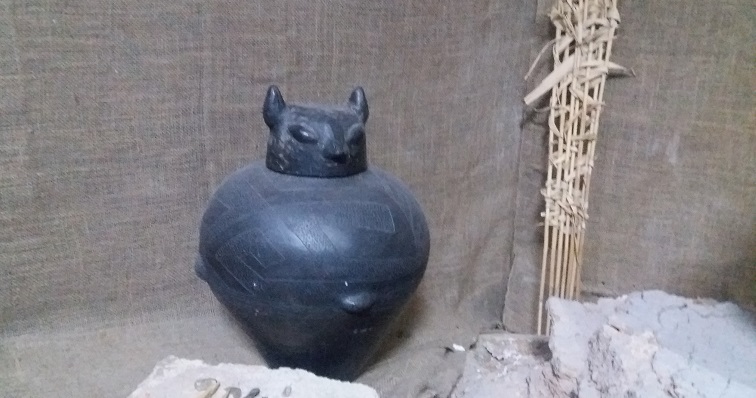
The Goddess permeated every aspect of life; people conversed with her, sought her aid, and connected with her spirit. She governed the cycles of birth and death, growth and decay. To prevent seeds from rotting and ensure their fertility for the next planting season, her magical essence was imbued within them. Women, skilled in discerning between seeds and plants, meticulously selected the best seeds for next year’s sowing, storing them in urns adorned with representations of the Goddess. Throughout the summer months, she infused them with her strength, aided by the warmth and light of the sun, so they would thrive during the following year’s planting and yield a bountiful harvest in the coming spring. Not all villages possessed the same seeds; women cultivated them in special temples, with certain villages excelling in this art. Superior seeds demanded less labor and brought greater blessings in the years to come.
The summer months still required labor, albeit less intense than that of spring. There were always tasks at hand, yet one could afford to take a few days off without significant consequences. Thus, with the onset of summer, typically around the longest day of the year on June 21st, people congregated at sacred sites like Rujum al Hiri in the Golan or Gal Jethro in the Galilee, gathering to express gratitude and celebrate.
After three months of arduous labor, a bit of respite was necessary. These gatherings served not only as a time for rest but also as an opportunity for social interaction. People exchanged goods, shared information, and strengthened social bonds. Moreover, these occasions facilitated the introduction of young men and women. Given that the genetic diversity within most villages was limited, the Goddess encouraged these encounters to occur within her sacred spaces. In these holy locales, a union between the celestial and terrestrial realms occurred, symbolizing the merging of sky and earth, day and night, and the sun with the depths of the earth. For the people, these sacred gatherings provided the ideal setting and time to find their future spouses.
During these gatherings, elaborate dance and music ceremonies unfolded within the sacred precincts, often identified with stone circles. Offerings from the previous year’s harvest were presented, and participants oriented themselves to the stars and the sunrise, especially on the summer solstice, the longest day of the year. The pinnacle of these gatherings was the sacred marriage ceremony, where the priestess selected a man from among the celebrants to join her in a symbolic union. This chosen man was then crowned the king of vegetation for a day, and in some cases, later identified as the king of the oak or forest.
In the scorching days of July and August following the gatherings, men would diligently turn and plow the soil. Experience had shown that this summer cultivation significantly reduced the presence of weed seeds competing with the wheat. Each morning, the high priestess, often one of the tribe’s elders or a council of them, would dispatch the men to their tasks. Her leadership was respected by all, for it was evident that she possessed deep knowledge of the land. She maintained a profound connection with Mother Earth, foreseeing when rain would fall, discerning the nature of each plot of land, and determining which herbs would flourish there.
As autumn arrived, bringing the first cool nights, the cycle of agricultural work commenced once more with land preparation and plowing. People marked the equinox on September 21, celebrating and eagerly awaiting the first rains to sow their fields anew.

Marija Gimbutas
Maria Gimbutas, a renowned archaeologist of Lithuanian descent, made significant contributions to the study of the Goddess culture (1921–1994). Serving as a professor at Harvard University, she emerged as a leading authority on the prehistory of Eastern Europe. Gimbutas experienced a pivotal moment in her career through independent excavations in Southeastern Europe. These excavations yielded thousands of figurines depicting Goddesses, with only a scant few portraying Gods. As she meticulously examined artifacts in museums and archaeological sites across Eastern Europe, Gimbutas embarked on a quest to unravel the significance behind these findings.
Gimbutas gradually uncovered the story of a vanished culture—a matriarchal society centered around Goddess worship. This society represented a golden age for humanity, characterized by prosperity, harmony, peace, and collaboration. Across the regions she explored, Gimbutas found evidence of an advanced and refined human civilization, marked by compassion and mutual support. Her excavations revealed settlements equipped with sophisticated technologies, sacred crafts, vibrant art, music, and dance. Moreover, she observed a unique religious and spiritual expression focused on honoring the feminine principle, as evidenced by the abundance of female figurines.
Gimbutas proposed that the advent of agriculture and the shift towards permanent village settlements marked the emergence of a distinct culture. This culture was guided by female priestesses who revered life, craftsmanship, fertility, and art. They worshipped a female deity who was believed to oversee all facets of existence—this cultural paradigm came to be known as the “Goddess culture.”
Gimbutas proposed a more philosophical view of ancient civilizations than is typically acknowledged. Everyday human activities such as grinding wheat, baking bread, weaving, and spinning were considered sacred. The home was regarded as a temple, and the Goddess presided over all aspects of human life, as well as the natural world. The religion of this culture centered on the cyclical nature of existence, encompassing birth, growth, maturity, aging, death, and rebirth, mirroring the cycles of animals and agriculture. It was a society characterized by cooperation and reverence for nature, fostering values such as responsibility, consideration, awareness, care, and attentiveness.
According to Gimbutas, these cultures emerged across Europe, with a particular focus on the Balkans. They formed a series of interconnected societies that transitioned peacefully, each exhibiting greater advancement and sophistication than commonly believed today. These societies were matriarchal in nature, with women holding the central role in family units. Men typically relocated to the homes of their partners, rather than the reverse. Nuclear families often comprised only women and children, while men resided in communal village settings, focusing on tasks such as construction or hunting. Sexual relations were considered sacred and unrestricted, often resulting in uncertainty regarding paternity until children grew older and similarities with potential fathers became apparent.
In addition, the leadership of the village was entrusted to female priests who practiced a form of shamanism. These priestesses served as prophets, leaders, and judges, guiding the community through collective decision-making in village or tribal assemblies. They consulted the unseen realms using ritual and prophecy techniques to validate decisions. Rituals within the Goddess culture often incorporated music, dance, and trance states, reflecting a highly developed spirituality and morality.
It was a utopian era characterized by the absence of large-scale violence, power struggles, and wars. Conflicts were resolved through alternative means, as evidenced by archaeological studies. There are no traces of burned villages, fortifications, depictions of battles, or evidence of injuries from weapons. This indicates that people lived in harmony, peace, and cooperation. Cooperation extended beyond the village level to the national and international levels. Trade and the exchange of goods were encouraged, facilitating the spread of shared values and Religious concepts through trade networks. This explains the presence of similar characteristics in female Goddess figurines found in various locations around the world.
The Goddess was fully manifested through Mother Earth, whose energies were palpable in the cycles of nature— the four seasons, day and night, the water cycle, vegetation and animal cycles, and more. These natural rhythms were intertwined with the blood and air cycles in the Human body, as well as the menstrual cycle in women. They symbolized the transitions between this world and the next, the cycles of life and death, birth, and rites of passage. The world was perceived to exist on multiple levels or dimensions, with a sense of another realm beyond this one. The Goddess facilitated the transition to and connection with this realm, guiding the development of religion, art, and abstract thought.
Gimbutas arrived at these conclusions through her extensive study of archaeological remains, both from her own excavations and those of others. Using a method she developed called “Archaeomythology,” which draws on comparative religion, mythology, language, and folklore, she reconstructed the social, moral, and religious structures of this ancient culture. As a result of her insights, she introduced the terms “Old Europe” and “Culture of the Goddesses” in 1968, referring to this overlooked period of human history spanning 6,000 years from the advent of agriculture 11,000 years ago to the beginning of History 5,000 years ago.
The first book expressing her worldview was published in 1974 and titled “The Gods and Goddesses of Old Europe 3,500-7,000 BC”. In 1982, she released a second, revised edition entitled “The Goddesses and Gods of Old Europe: Myth and Cult Image”. Upon its publication, she faced resistance from the academic establishment. The interpretation of prehistoric ideology was considered taboo, and her methodology was deemed unscientific. Despite relying heavily on intuition, her theories remain valid. Many significant discoveries in history have been made through intuitive insight. Recent findings at sites in Israel, such as Shaar Hagolan, provide support for her theories.
In 1989, Gimbutas released the book “Language of the Goddess” [3], proposing that the Goddess culture utilized an ancient symbolic language. Then, in 1991, she published “Civilization of the Goddess”, arguing that ancient Europe fostered a culture rooted in goodness [4].
According to her, in the early third millennium BC, invading Indo-European tribes, characterized by patriarchal culture and a tradition of warfare, began to infiltrate Europe, bringing death and destruction akin to a holocaust to these ancient civilizations. These tribes were associated with burial mounds known as “kurgan”, thus her theory became known as the Kurgan theory. As early as the 1950s, she developed the hypothesis that the Indo-European peoples, originating from the Russian steppes, migrated into the lands of Goddess culture, initiating waves of invasion into Europe and the Balkans from the third millennium BC.
Gimbutas believed that studying history held valuable lessons for the present. She attributed the problems facing the Human race to the transition from matriarchal societies to patriarchal, war-like cultures, which she viewed as a precursor to our current predicament on the brink of self-destruction. Gimbutas advocated a return to the values of the ancient Goddess culture, viewing its existence in the past as a model and a source of inspiration for the future.
Goddess Culture – Çatalhöyük and beyond
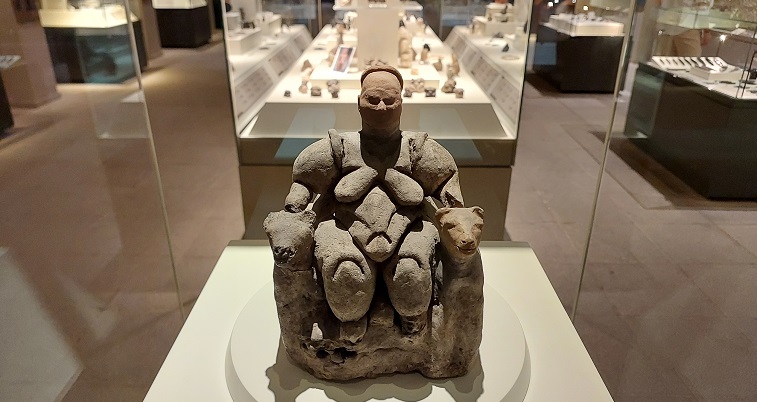
Not only Gimbutas, but other archaeologists as well, have demonstrated the existence of ancient matriarchal societies in various parts of the world. For instance, in Turkey, there is a settlement called Çatalhöyük, considered one of the earliest and most significant in the world (7,100-5,500 BC). At its peak, it was inhabited by nearly 10,000 people. Archaeologist James Mellart, who discovered the site, proposed that its inhabitants adhered to a belief system centered around the figure of the Mother Goddess and her diverse manifestations. This society was matriarchal, with women exerting dominance in economic, Religious, and familial affairs.
The houses in Çatalhöyük exhibit a more or less egalitarian layout, akin to some other Goddess cultures. They are arranged adjacently, with their roofs forming a communal space. Entry into these houses is through openings in the roof, accessed via ladders. Within the main room, sleeping benches are positioned, with skeletons found buried beneath them. An intriguing discovery is that while the men’s bench was mobile, the women’s bench, considerably larger, remained fixed. This arrangement suggests that the child was closely associated with the mother rather than the father. Skeletons of men were found beneath the men’s benches, while women’s skeletons, often accompanied by children, were beneath the fixed benches. Some skulls were adorned with plaster, creating a plaster mask of the face, a practice observed in other Goddess cultures worldwide, such as in Jericho. Additionally, under the woman’s bench, tools like hoes and axes, as well as jewelry, were discovered.
Among the 480 skeletons unearthed at the site, a mere 21 were adorned with red ochre, exclusively belonging to women. This discovery points to the presence of a group of priestesses who held leadership roles within the society and were thus honored in death (red ochre symbolized the vitality of life and was utilized in the burial rituals of esteemed individuals). Notably, 17 of these adorned skeletons were discovered within larger houses, prompting speculation that these structures may have functioned as temples dedicated to the Goddesses.
Multiple layers of settlement were unearthed in Çatalhöyük, revealing a significant shift around 5,800 BC marked by the disappearance of hunting scenes, indicating a transition towards full dependence on agriculture. Prior to this transition, numerous figurines of women were discovered, alongside few representations of men. However, following this shift, even the limited figurines of men vanished. This suggests a strengthening association of the female deity with agriculture. Some feminist researchers posit that men were reduced to mere sexual objects during this period.
Eliade posits that the agricultural revolution wielded profound significance in shaping human thought and belief. He contends, “It is customary to say that the discovery of agriculture radically altered the course of humanity, ensuring abundance of food and facilitating a substantial population increase. However, the pivotal impact of the discovery of agriculture lies in an entirely different realm. It was not merely the growth in population or nutritional possibilities that determined humanity’s fate, but rather the beliefs that emerged as a result of agricultural discovery. What humanity gleaned from observing grains, the insights derived from this interaction, and the understanding derived from witnessing seeds relinquish their form underground—all of these phenomena carried profound lessons. Agriculture illuminated for humanity the fundamental unity of organic life, drawing analogies between woman and field, mating and seeding, and giving rise to crucial mental syntheses such as cyclical life and death as withdrawal. These syntheses were paramount for humanity’s evolution, only made possible after the discovery of agriculture.”
In archaeological excavations of settlements from the time of the Goddess culture in Israel (as well as in other locations worldwide), evidence of warfare is notably absent. Contrary to popular perception, the prehistoric era was a time of peace. According to researcher Jonathan Hass, warfare was a concept beyond the comprehension of ancient societies. Settlements from these cultural periods lack fortifications, are situated in non-defensible locations, show no signs of fire or destruction, and exhibit no evidence of injuries resulting from weapons. Furthermore, depictions of battles are conspicuously absent from rock paintings.
The evidence suggests that during the era of the Goddess culture, practices such as slavery and the exploitation of others were absent. Instead, there was a prevailing ethos of self-sufficiency and cooperation, reminiscent of the ideals often associated with communism. People were responsible for their own sustenance and well-being, working collectively for the benefit of the community rather than for individual gain. This spirit of cooperation fostered a sense of brotherhood and equality, possibly extending to aspects of social relations, including free love. Structures in the villages from this period, including both dwellings and tombs, typically exhibit a remarkable equality, with little evidence of excessive wealth or disparities in living conditions.
In the Goddess culture, the prevailing ethos was one of collective effort and mutual assistance, with minimal class or property distinctions. Activities such as pottery-making, weaving, and other crafts were typically carried out communally, reflecting a shared understanding that pooling resources and labor benefited the entire community. These tasks were often overseen by groups of consecrated women who served as priestesses, guided by their devotion to the Goddess. Evidence of this communal approach can be seen in the proximity of Goddess figurines to craft workshops, and in the presence of temples dedicated to her honor alongside the workshops. Such practices underscored the sanctity attributed to crafts and the raw materials involved, which were viewed as gifts from Mother Earth herself.
The burial customs of the Goddess culture often involved interring individuals, typically women, within the confines of their homes. This practice was rooted in a belief in a profound connection with ancestral spirits, particularly those of mothers. In these graves, statuettes depicting the Goddess were frequently discovered. Additionally, houses often doubled as places of worship, serving as informal temples where the presence of Goddess figurines further emphasized the importance of these spiritual beliefs in everyday life.
The discovery of Goddess figurines within wheat silos in ancient villages underscores the vital contribution of women to agricultural practices. These figurines depict women adorned in intricate garments, suggesting their involvement in activities such as weaving, dyeing, and spinning, which were integral to the agricultural process. statues unearthed during excavations at Hachilar, another settlement in the Anatolian region contemporary with Çatalhöyük, reveal a deep understanding of the female form, indicating that women likely played multifaceted roles, including participation in trade networks.
The Goddess culture encompassed not only the material aspects of life but also delved into profound spiritual realms. Revering the great mother as the bestower of life, this culture viewed her as the facilitator of existence beyond death, guiding individuals through the cycle of rebirth into the spiritual realm. Women, perceived as embodiments of birth and nurturing, were also seen to possess a unique connection to the afterlife. Rituals and ceremonies, conducted at sacred times and sites with communal participation, served to deepen this connection with the spiritual realm and the deceased, often led by priestesses who held sway over these sacred proceedings.
The apex of the life cycle in the Goddess culture was deemed to be the sacred act of birth. Women would give birth in sanctified spaces after thorough preparation and consecration, often in designated birthing temples like Lepenski Vir in Serbia. The act of bringing forth life was revered as the quintessence of the Goddess herself. Childbirth commenced with the union of sexual intercourse, elevating sex to a divine status. This act held symbolic significance, representing the harmonious convergence of masculine and feminine energies.
The Goddess culture also placed significant emphasis on aesthetics and artistic expression. Decorative motifs such as chevrons (open triangles), waves, lines, and spirals adorned pottery and jars from this era, showcasing not only a refined aesthetic sensibility but also hinting at shamanic experiences and symbolic communication with the spiritual realm. The designs transcended mere functionality, serving as conduits for conveying deeper meanings. Similarly, clothing and jewelry from this period displayed intricate symbols and exceptional aesthetic craftsmanship, rivaling contemporary standards. Sculptures depicted the human form in a symbolic manner, reflecting the culture’s abstract thinking and reasoning abilities. Moreover, music and dance played integral roles in this sophisticated society, further underscoring its commitment to refinement and cultural expression.
Indeed, it appears that at the dawn of history, the Great Mother assumed the role of nurturer and guide for the human race. By imparting her wisdom and grace, she facilitated the creation of a new culture and way of life, enriching humanity not only materially and socially but also spiritually. Through her influence, humans developed abstract ideas, ideals, religious faith, emotional depth, creativity, and a spirit of inquiry, laying the foundation for the rich tapestry of human civilization that followed.
[1] The domestication of fruit trees likely occurred later in history, although some theories suggest they may have been domesticated at the outset of the agricultural revolution. This notion is reflected in the tales of Greek mythology, such as those about the kingdom of Atlantis, which was said to be an island abundant with fruit trees. Nevertheless, ancient peoples harvested fruits from wild trees, such as carobs, figs, and oaks, even during their hunter-gatherer days.
[2] Childe, G. & Childe, V. G. (1964). What happened in history. Puffin Books
[3] Gimbutas, M. (1996). The Goddesses and Gods of Old Europe, 6500-3500 BC: myths and cult images (New and updated ed.). Thames and Hudson
[4] [4] Gimbutas, M., & Marler, J. (1991). The civilization of the Goddess: [the world of old Europe]. HarperSanFrancisco
[5] Mellaart, J., Hirsch, U., & Balpınar, B. (1989). The Goddess from Anatolia. Eskenazi.
[6] Haas, J. (2001). Warfare and the evolution of culture. In Archaeology at the Millennium (pp. 329-350). Springer, Boston, MA